Socioemotional learning for the people who make schools work
Teacher burnout is real. Principal isolation is real. We start there — with the adults in the building — because you cannot teach what you have not practiced yourself.
In partnership with
Center for Contemplative Science and Compassion-Based Ethics
Emory University
Where we start
You can't give what you don't have
The conversation about socioemotional learning in Mexico almost always focuses on students: how to develop their self-awareness, their empathy, their capacity to manage emotions. That conversation is necessary. But there is a prior question that rarely gets the attention it deserves:
How are the adults who work in schools actually doing? Teachers expected to model calm under chronic stress. Principals expected to build community under constant pressure. Officials making decisions that affect thousands of lives. If they have not had the opportunity to develop their own socioemotional skills, they are unlikely to create the conditions for their students to do so.
The international evidence is consistent: school climate — which largely determines the conditions for learning — is built from the top. School leaders and teachers with stronger self-regulation, empathy, and attentional capacity create safer, warmer, and more effective learning environments.
The case for starting with adults
Three reasons to invest in the people who make schools possible
The curriculum
What is SEE Learning?
SEE Learning (Social, Emotional and Ethical Learning) was developed by Emory University's Center for Contemplative Science and Compassion-Based Ethics, drawing on decades of research in neuroscience, contemplative psychology, and secular ethics. It is designed to be culturally inclusive, non-religious, and evidence-based.
Learn more at seelearning.emory.edu →
On the ground
Where we are working
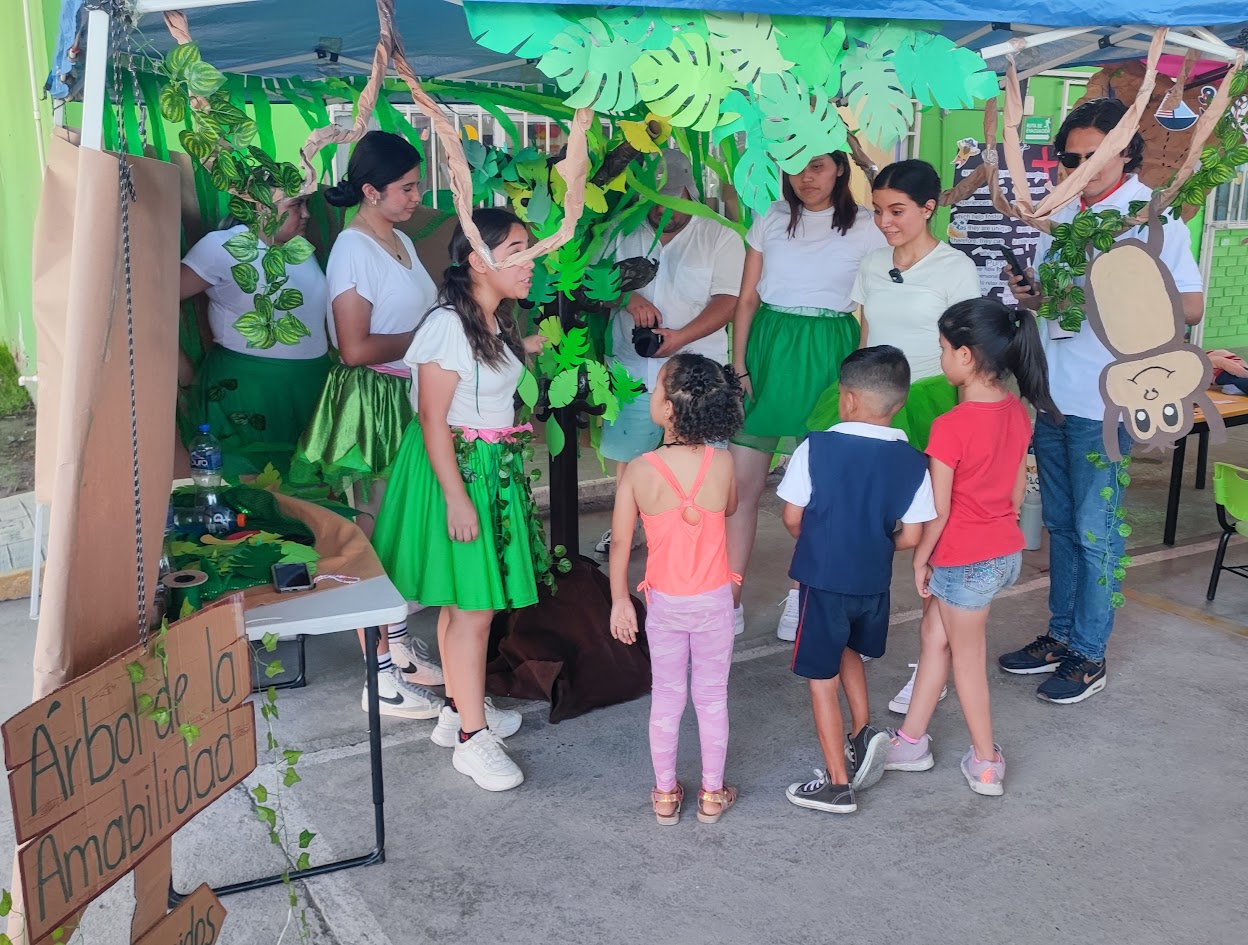
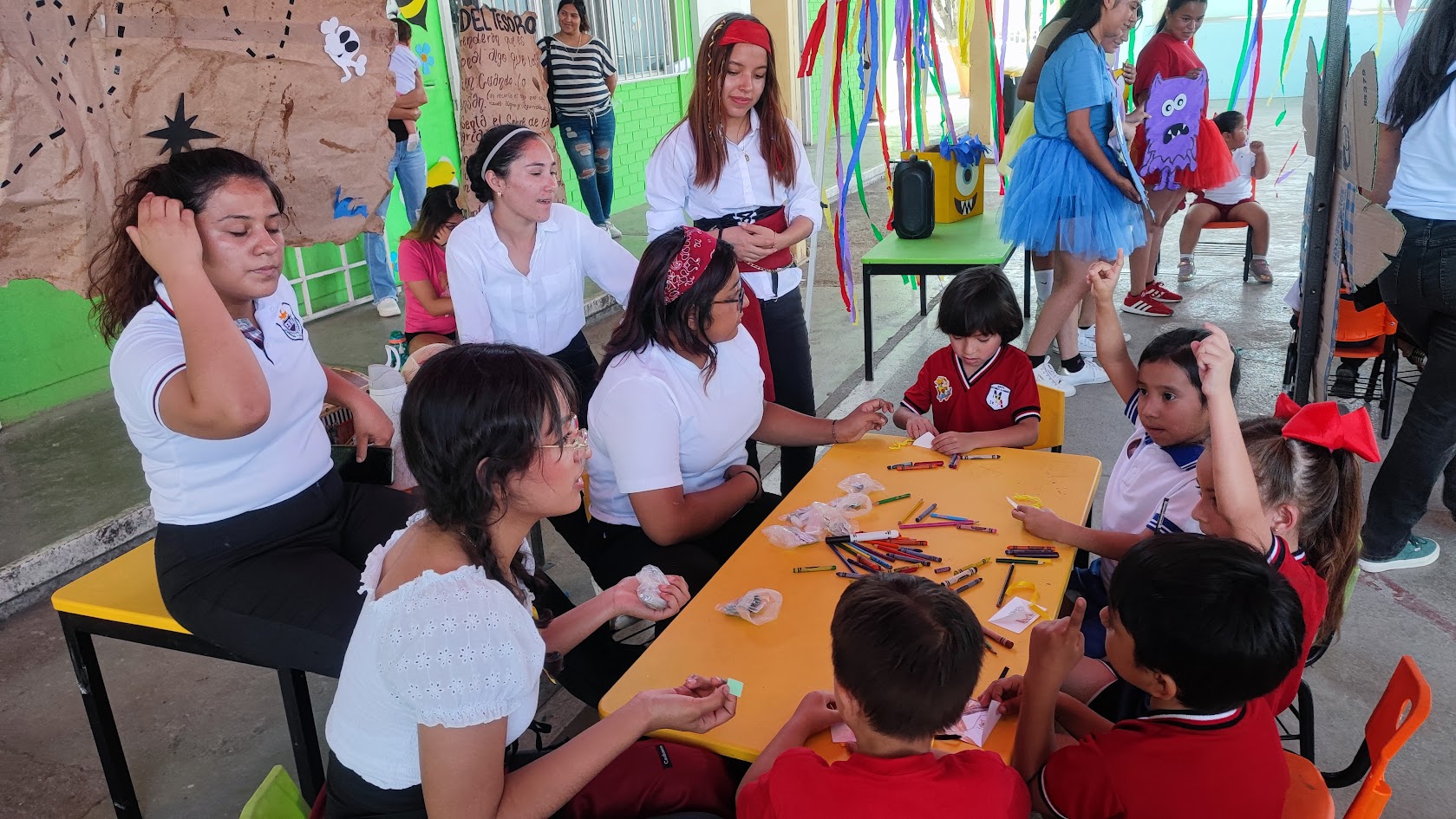
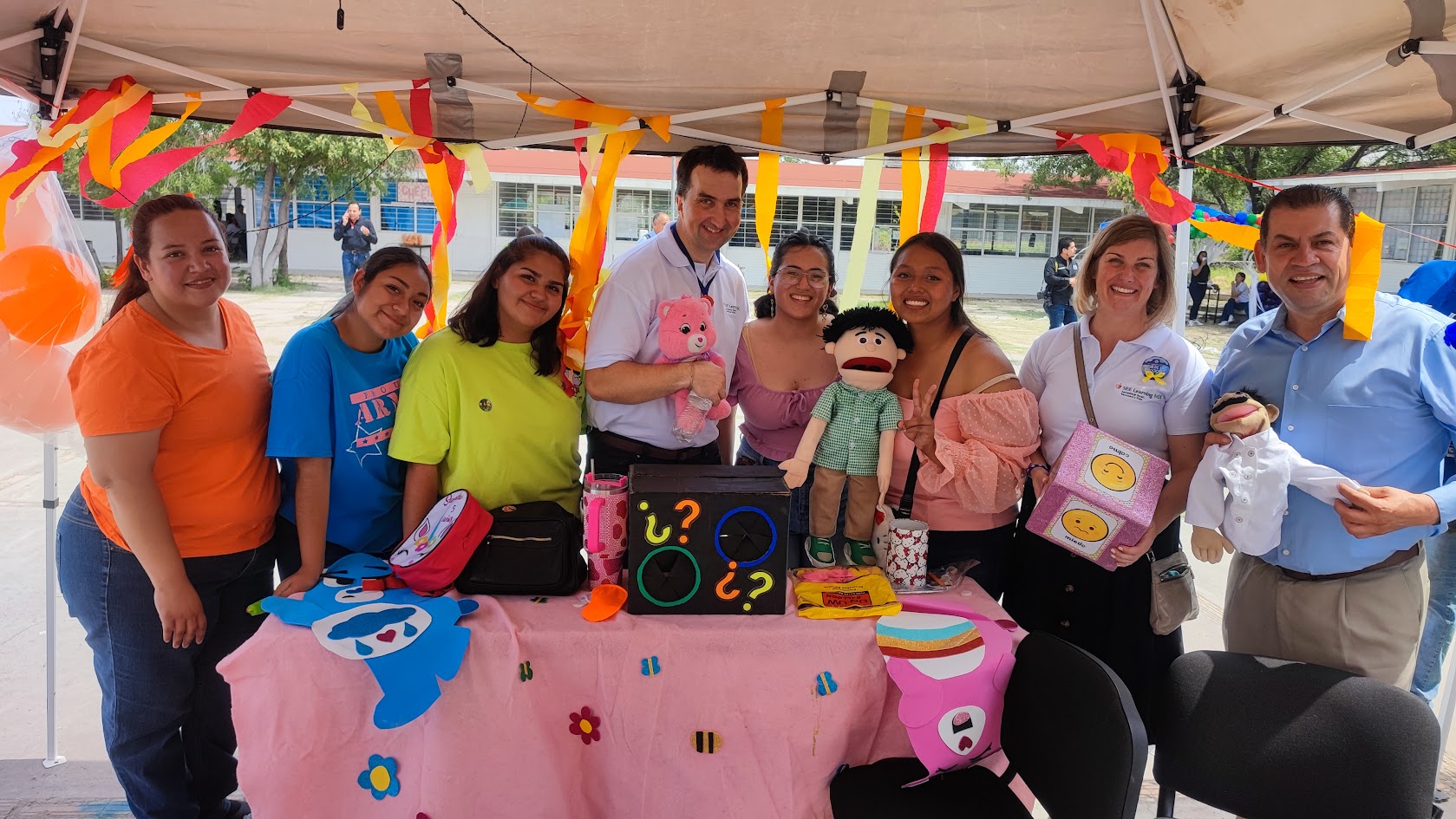
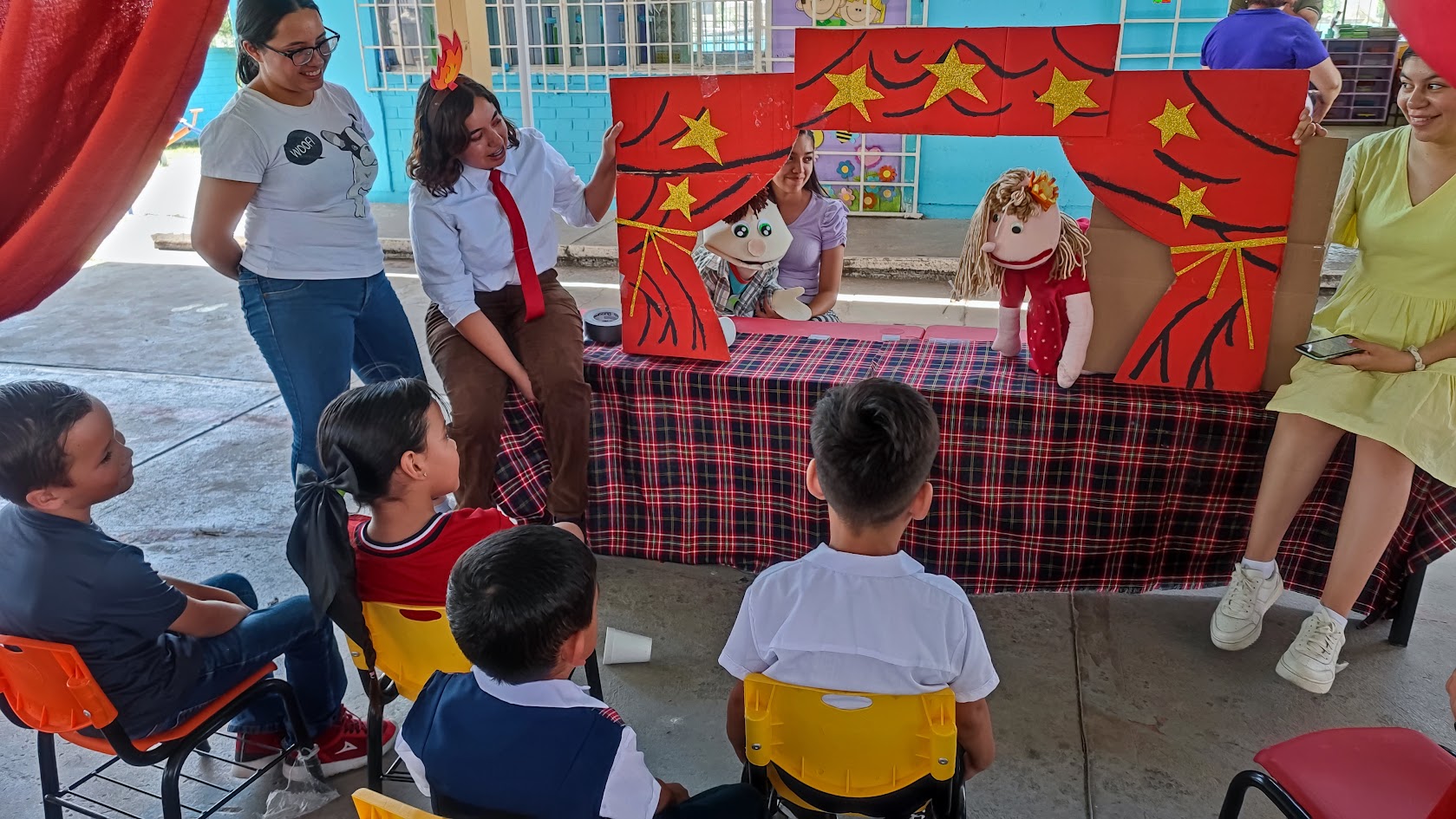
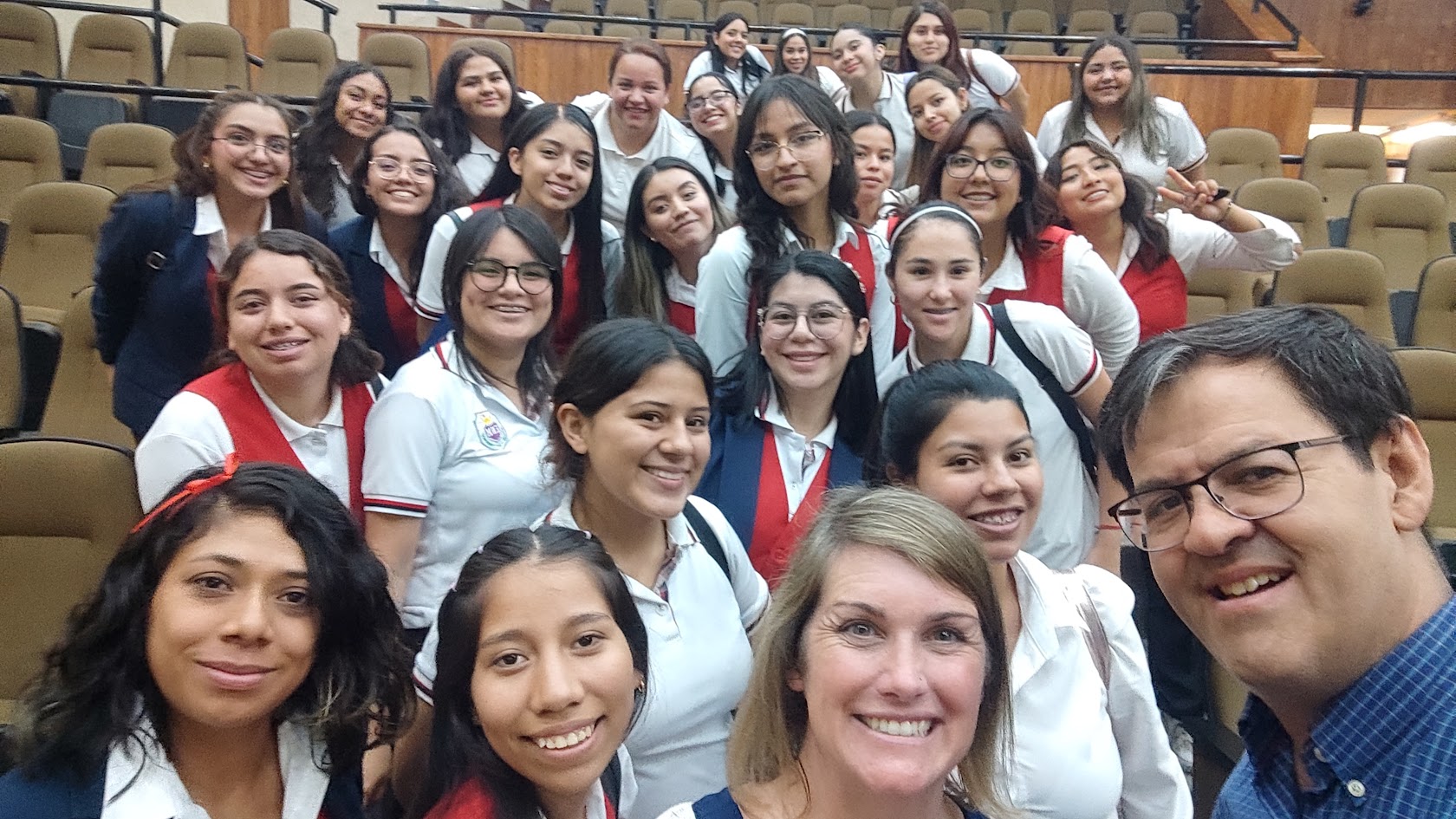
Since 2020, Proyecto Educativo has implemented SEE Learning across all nine teacher colleges in Coahuila, in coordination with the state's teacher training authority (CGENAD). The program reaches future teachers before they enter classrooms — intervening at the source, not just through in-service training.
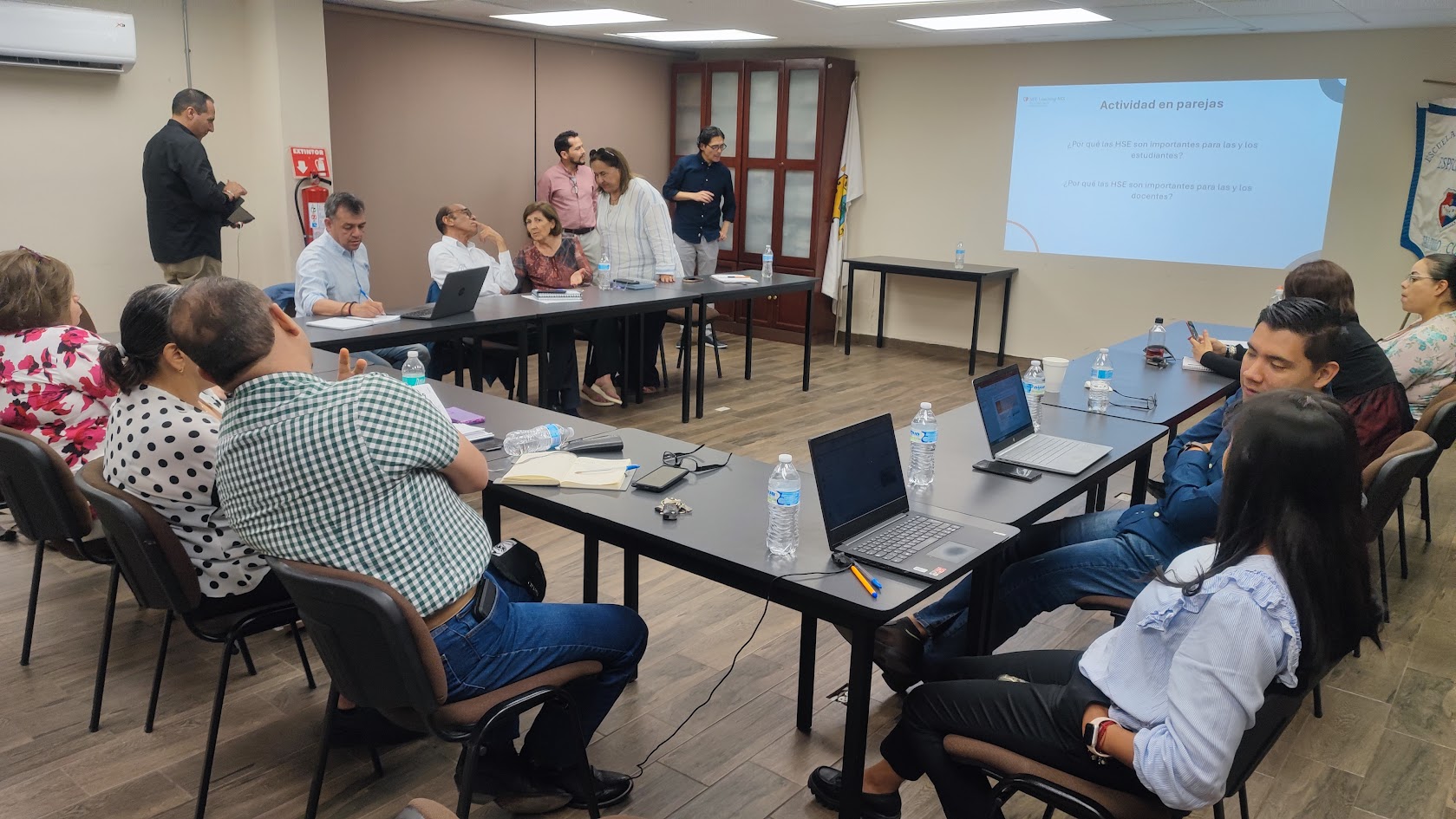
Socioemotional development will be a core component of the School Leadership Program being co-designed with UCLA. Principals who participate will engage with SEE Learning as an integral part of their leadership formation — not as an add-on, but as a foundation.
Who we work with
Three key actors in school culture change
Interested in bringing SEE Learning to your institution?
If you represent a state education system, a school, or an organization interested in learning more about SEE Learning and its implementation possibilities in Mexico, we'd be glad to talk.
contacto@proyectoeducativo.org